

FEPRA Recycling · PET
Bottles in. Flakes out.
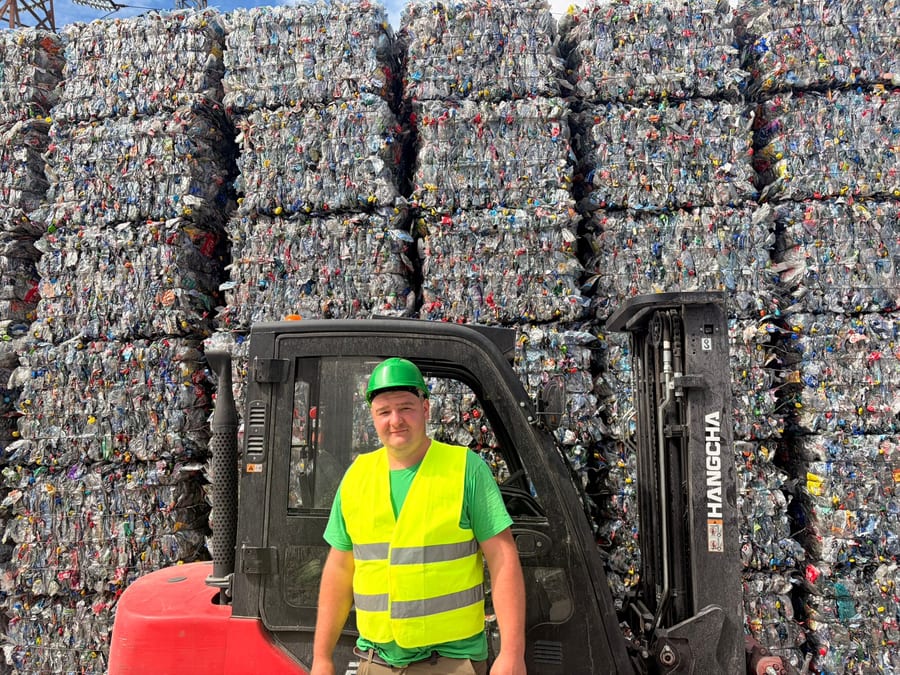
In Brad we run a new PET recycling line, fully automated and operating 24 hours a day. It turns post-consumer PET bottles into hot-washed, optically sorted flakes: the raw material for new packaging, textile fibres and other PET products.
About the plant
A strategic investment in the circular economy
The circular-economy industrial park in Brad houses a state-of-the-art PET recycling line and a glass packaging recycling line, equipped with leading European technology.
It is an investment in a region with an industrial tradition: the park has created 56 new jobs and shows that the circular economy can generate real economic revival, not just compliance. From here we serve both the Romanian market and clients in Western Europe, mainly Germany, France and Austria.
The park is set to expand with a dedicated textile recycling line, in response to Europe's need for sustainable management of textile waste.
What we deliver
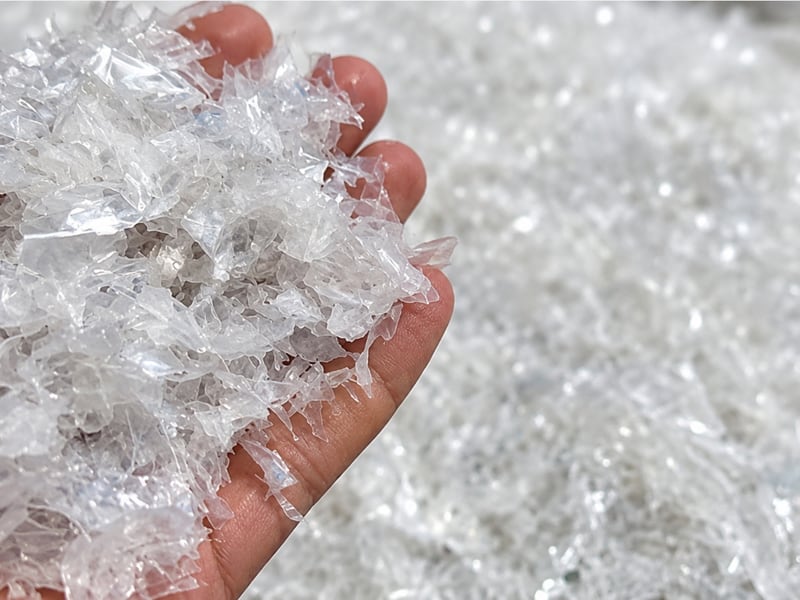
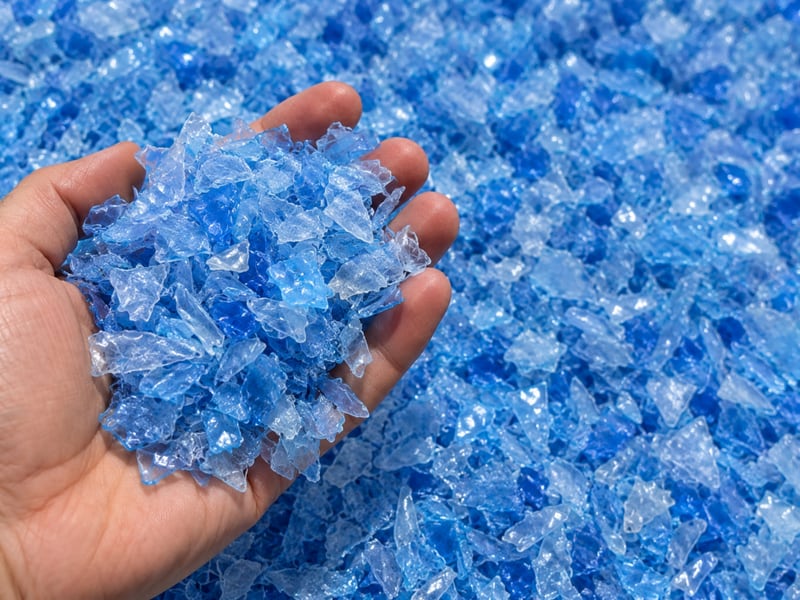
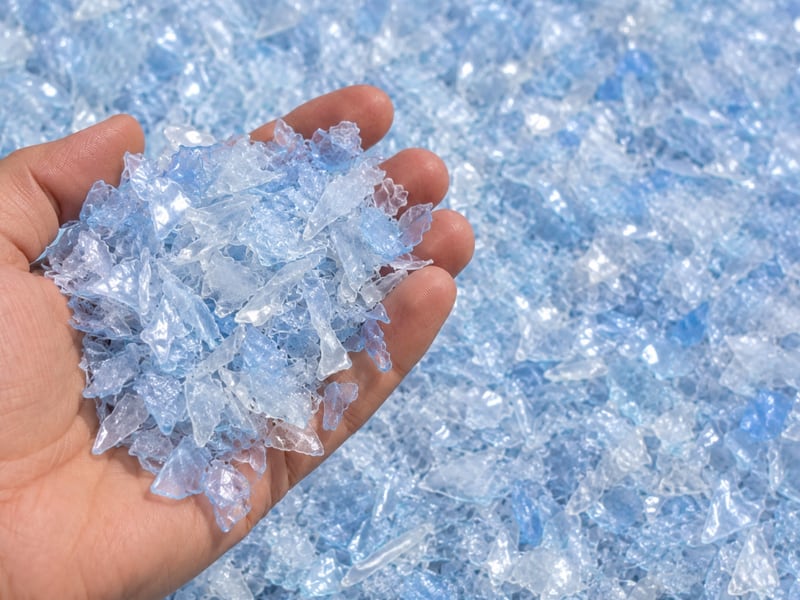
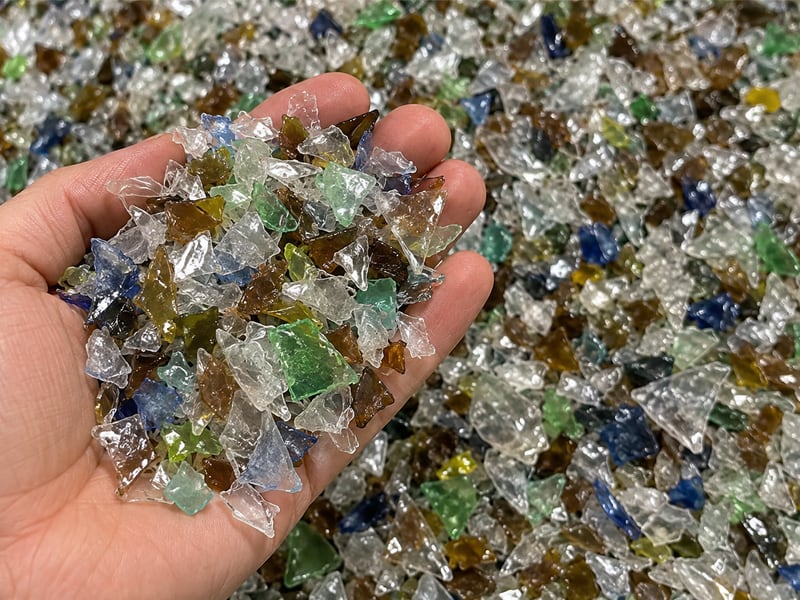
PET flakes, in four grades
How we work
Built for predictability
99% of the input raw material is post-consumer bottles. The rest is process, control and delivery discipline.
RecyClass certified process
RecyClass Module A1 certified (Food Contact Pre-Processing), in line with EN 15343:2007: sorting, washing and drying are audited as pre-processing for material intended for food contact.
Traceability through segregation
We track the material from the collection point to the delivered product. The certified chain-of-custody model is segregation: batches of certified material are kept separate, with no mixing with uncertified material.
Certified management system
ISO 9001, ISO 14001 and ISO 45001: quality, environment, occupational health and safety. The Brad site is included in the certified scope.
European recycler
Operations in the European Union, a short supply chain, a smaller carbon footprint than material imported from outside the EU.
Vertical integration
Our own collection network and our own recycling plants. We outsource nothing essential in the chain.
On-time delivery, scalable capacity
Delivery schedules a production plan can be built on, with flexible volumes that grow with demand.
For collectors
Input material specification
We publish the conditions exactly as they are in the line's technical contract. If your material qualifies, we can talk right away.
| Criterion | Condition |
|---|---|
| Delivery form | Bales of 400–600 kg or loose |
| Material type | Clear, blue and coloured PET bottles |
| Total contamination | under 15% by weight |
| PVC bottles | under 1% |
| Oil, medicine, cosmetics bottles | under 5% |
| Bottles with full sleeves | under 5% |
| Aluminium cans | under 5% |
| Caps and labels | PP and HDPE only |
| 2–5 litre bottles | under 5% |
Delivery: Brad, Str. Avram Iancu 77, Hunedoara County · See on the map ↗
The Brad line
From bale to flake
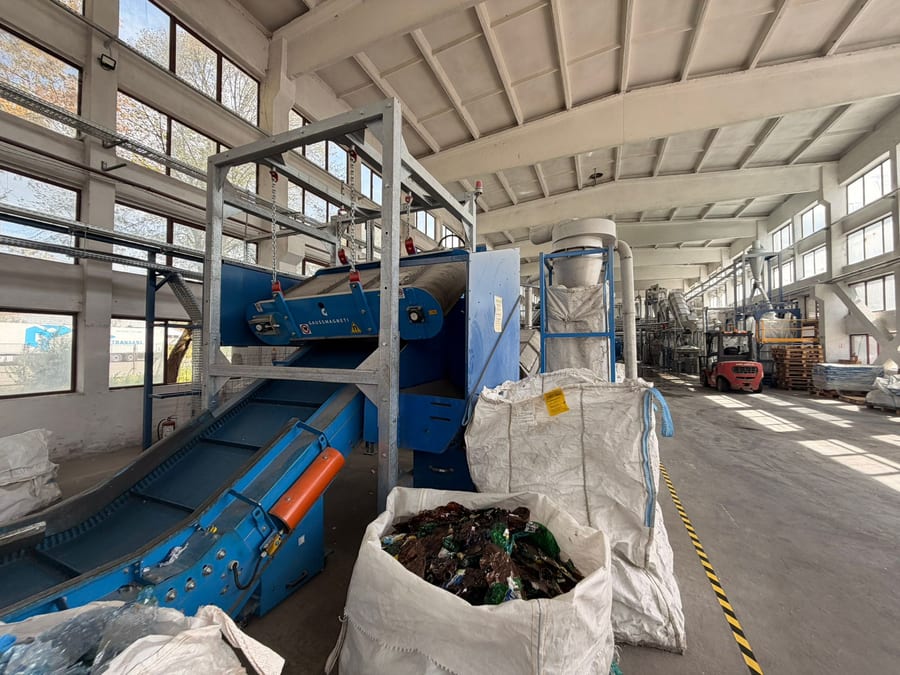
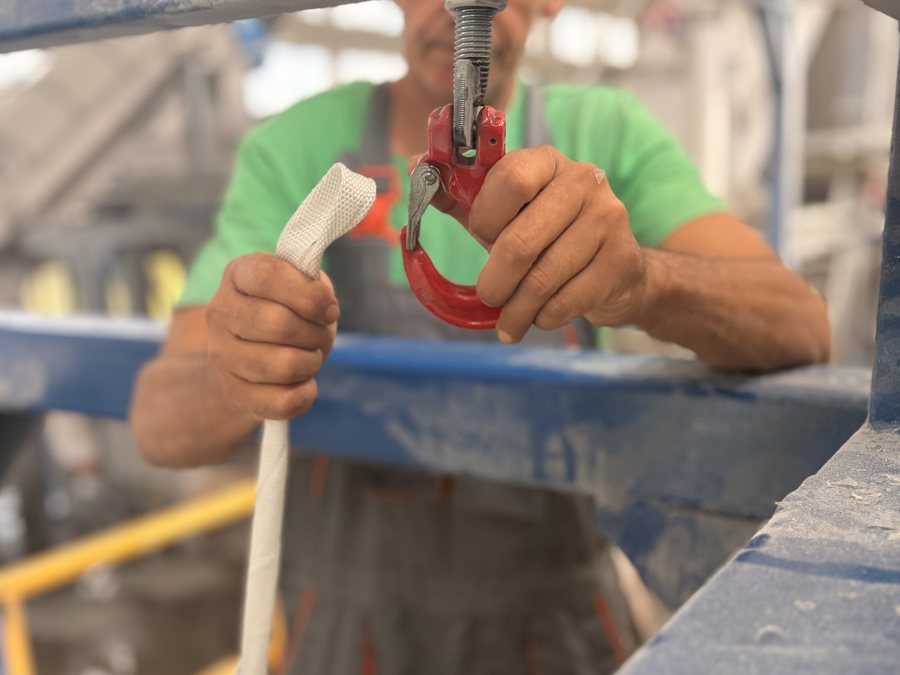
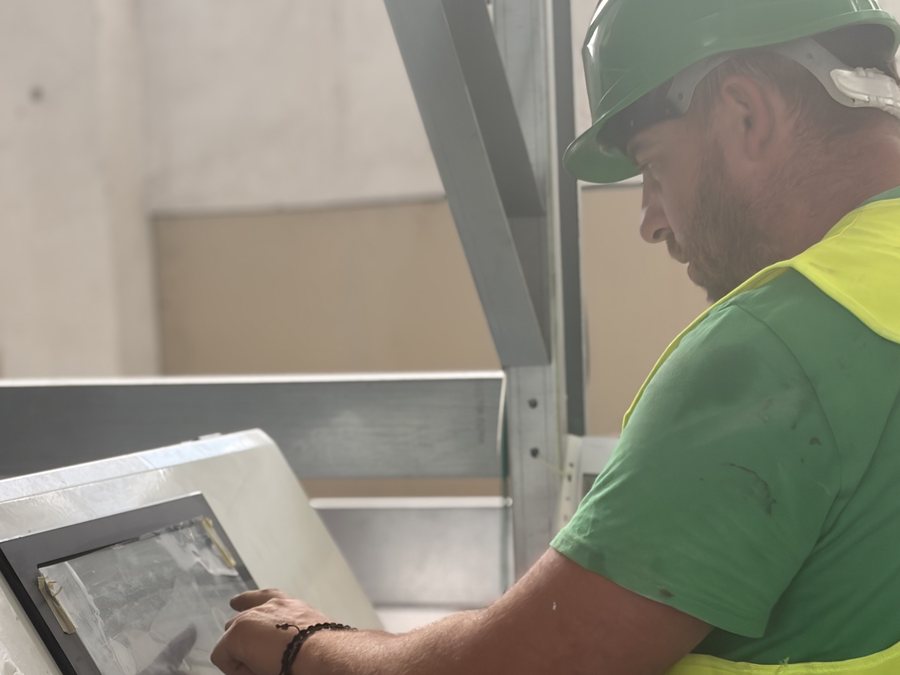
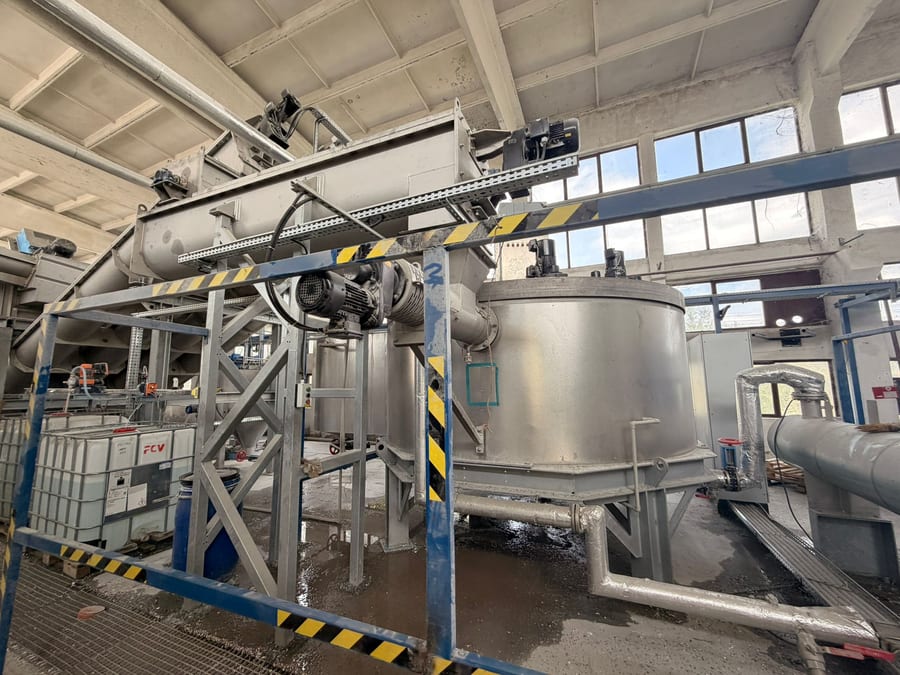
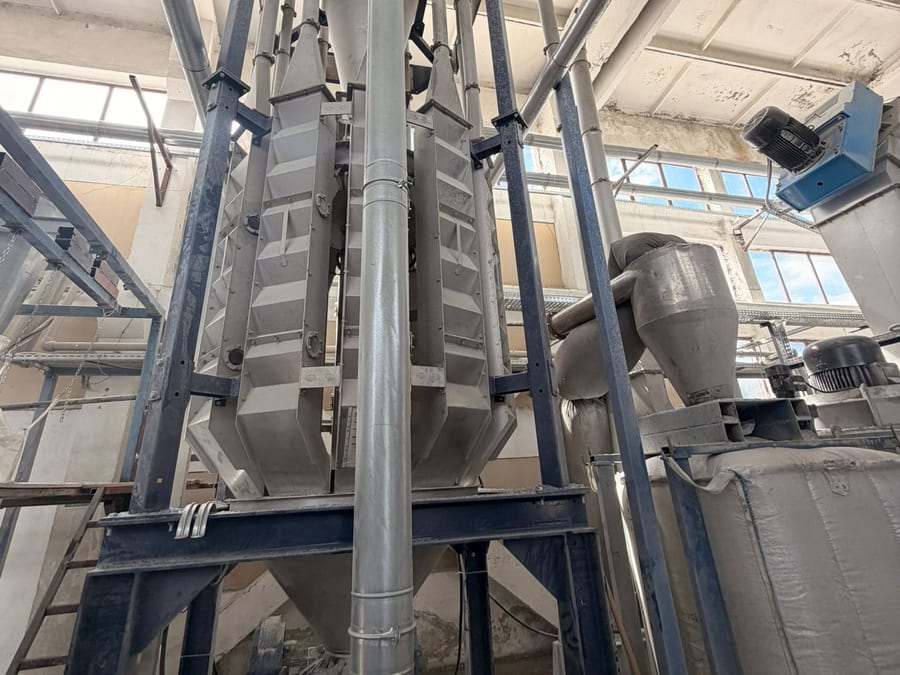
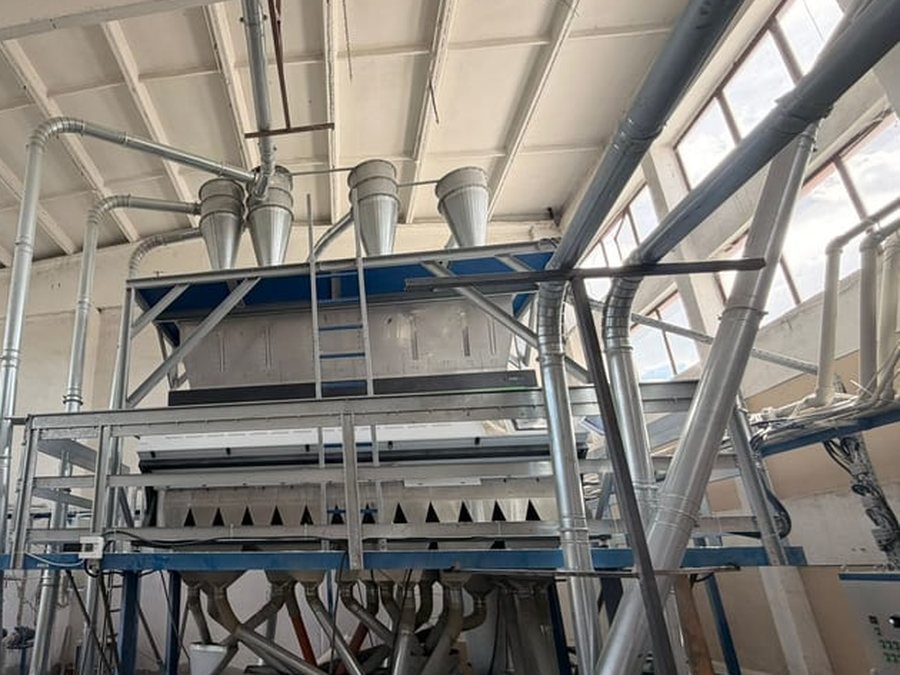
The line is automated and controlled by a Siemens PLC. 3.5 tonnes of bales go in per hour and at least 3 tonnes of flakes come out.
Phase I · Dry preparation
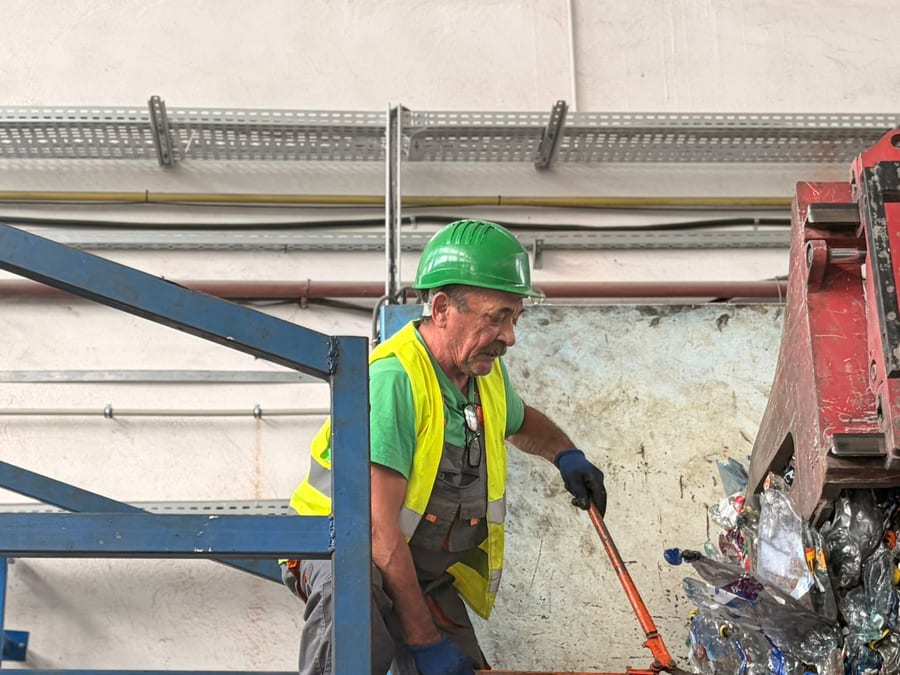
- 1Receiving
- 2Debaling
- 3Separation of ferrous and non-ferrous metals
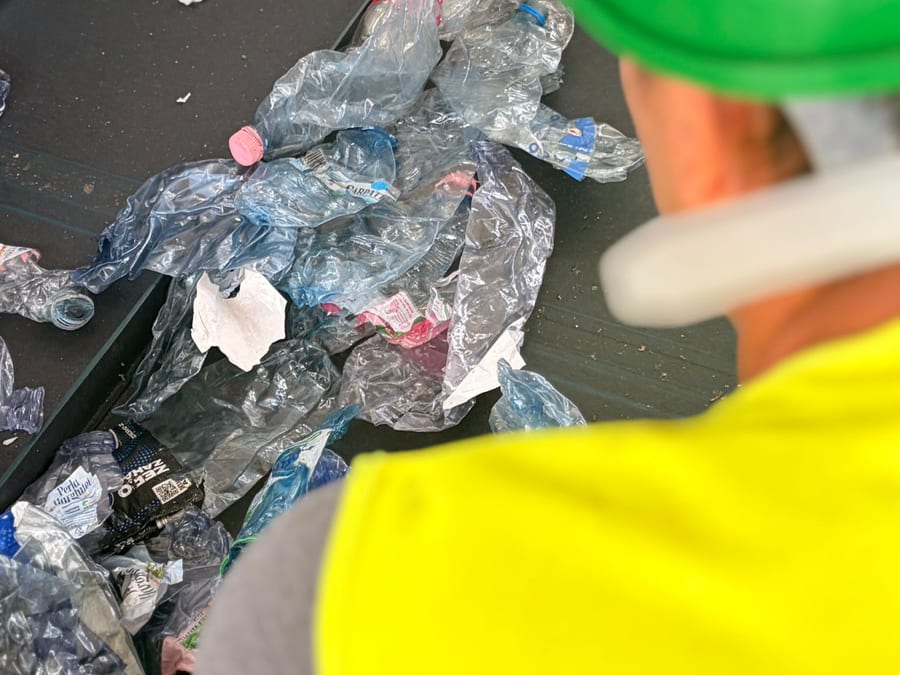
- 4Visual inspection
Phase II · Wet washing
- 5Pre-washing
- 6Grinding
- 7Cap separation
- 8Hot washing
Phase III · Drying and sorting
- 9Drying
- 10Optical sorting
- 11Packing
Closed circuit
Water
The washing circuit is fully closed and the process water is recirculated on the line. After physico-chemical pre-treatment on site, only the surplus water is sent to the sewer system.
PET flakes recycled locally, in four grades.
Buying PET flakes for production? Ask for the data sheet and a sample.